
Our Impacts
The Impact of Our Program: Transforming Youth into Environmental Leaders.
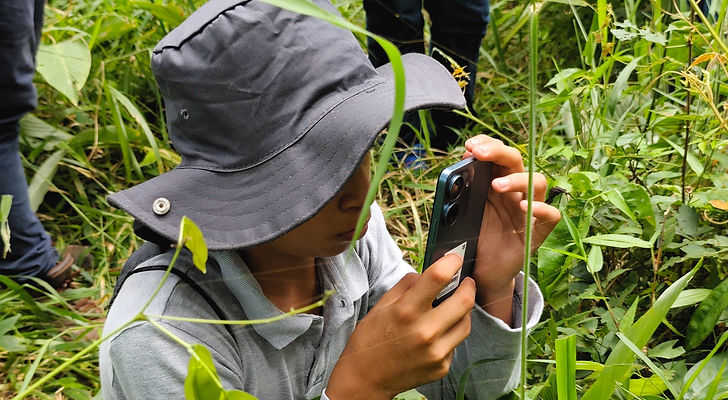
The naturalist school program goes far beyond a walk in the woods; it is a catalyst for social and environmental change. By connecting children and youth from vulnerable communities near protected areas with field science, we have observed profound transformations at key levels, fostering critical and ecological awareness, skills and leadership development, and community empowerment (the "multiplier effect").
Cultivating Inquiry
Field expeditions encourage active exploration and instill a lifelong curiosity regarding ecological systems. Nurturing outdoor inquiry not only advances core biological literacy but also measurably enhances youth mental well-being and empathy toward diverse ecosystems.

Building Technical Capacities
Ecosystems teach us that no element functions in isolation. Our framework enhances analytical monitoring, systematic observation, and adaptive problem-solving skills. Participants transition from passive observers to data-driven analysts, refining their capacity for field-based risk management and resilient decision-making.

Fostering Eco-Identity
We guide youth to conceptualize their role within local ecosystems, deepening environmental stewardship. Fostering an explicit ecological identity creates a sense of regional belonging that translates into active, long-term conservation advocacy.

Advancing Environmental Literacy
Our specialized science curricula systematically accelerate cognitive development and field-ready environmental competencies among local youth.

Collaborative Science
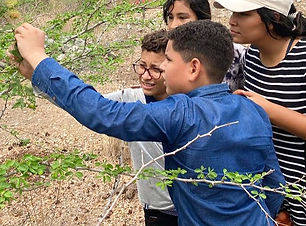
Participants operate in structured teams, sharing ecological observations and peer-learning during rigorous peer-to-peer taxonomic identification processes.

Empowering Youth Leadership
We train local youth to take ownership of environmental monitoring, guiding them to lead community workshops, coordinate field surveys, and act as primary voices for conservation within their respective rural sectors.